
Meet the board of South Africa's dance sector
The South African Dance Board is comprised of dedicated professionals who bring diverse expertise and a shared passion for dance — promoting, developing, and advocating for the art form across South Africa.
The national board

Lucky Cele
Chairperson • KwaZulu-NatalAward-winning choreographer, writer, director, composer, and arts development facilitator. Qualified as facilitator, assessor, and moderator. Radio presenter and instrument for community arts development.

Letlhogonolo Nche
Deputy Chairperson • Northern CapeDance educator, choreographer, director. First recipient and winner of the ACT 2016 ImpACT Award for Dance. Cultural leader in the Northern Cape, shaping dance and performance with vision and dedication.

Evelyn Evh'a Nteso
Secretary • Free StateBoard Member at CCIGA, Women Economic Assembly Sport, Arts and Culture Co-Lead, Founder of GudTV Africa, Managing Director at SALSC. Driving creative industries from the Free State.

Portia Scott
Deputy Secretary • LimpopoLatin and American dancer, Treasurer of Federation of Dance Sport Limpopo, Chairperson of Dance Sector Limpopo, and Deputy Secretary of SADB.
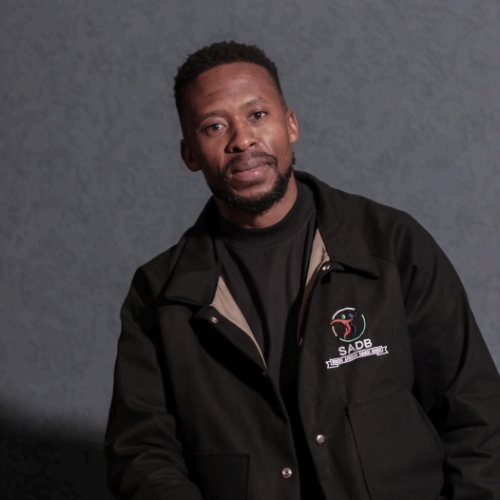
Moses Mashianoke
Treasurer • MpumalangaMultidisciplinary artist trained with Magnificent Performing Arts. Introduced contemporary dance to his township. Advocates for dance recognition in Mpumalanga, the province of the rising sun.

Luyanda Sidiya
Board Member • GautengOver twenty years in dance: performance, teaching, community development. Trained at Dance Factory and Moving into Dance Mophatong. Explored Indigenous African cultures worldwide.

Nicole Joka
Board Member • Eastern CapeDancer, educator, choreographer based in Makhanda, Eastern Cape. Academic foundation in dance, psychology, and education. Committed to arts education and dismantling societal barriers.
Drag, swipe, or use the arrows — nine voices, one national mandate
Sector engagement in action
The board doesn’t just govern from a boardroom — members are active on the ground in every province, from community consultations to national showcases and ministerial engagements.
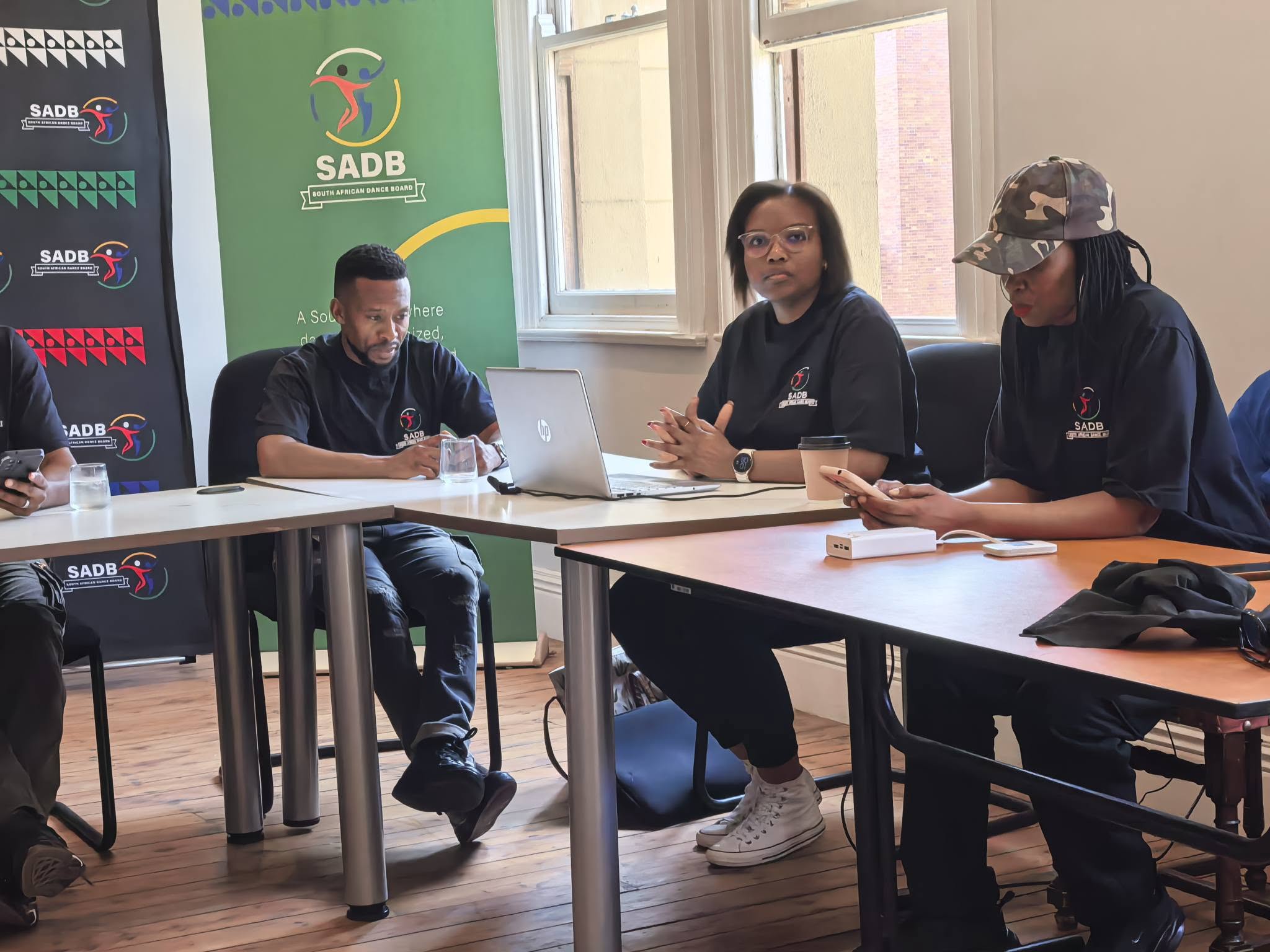 Provincial Outreach
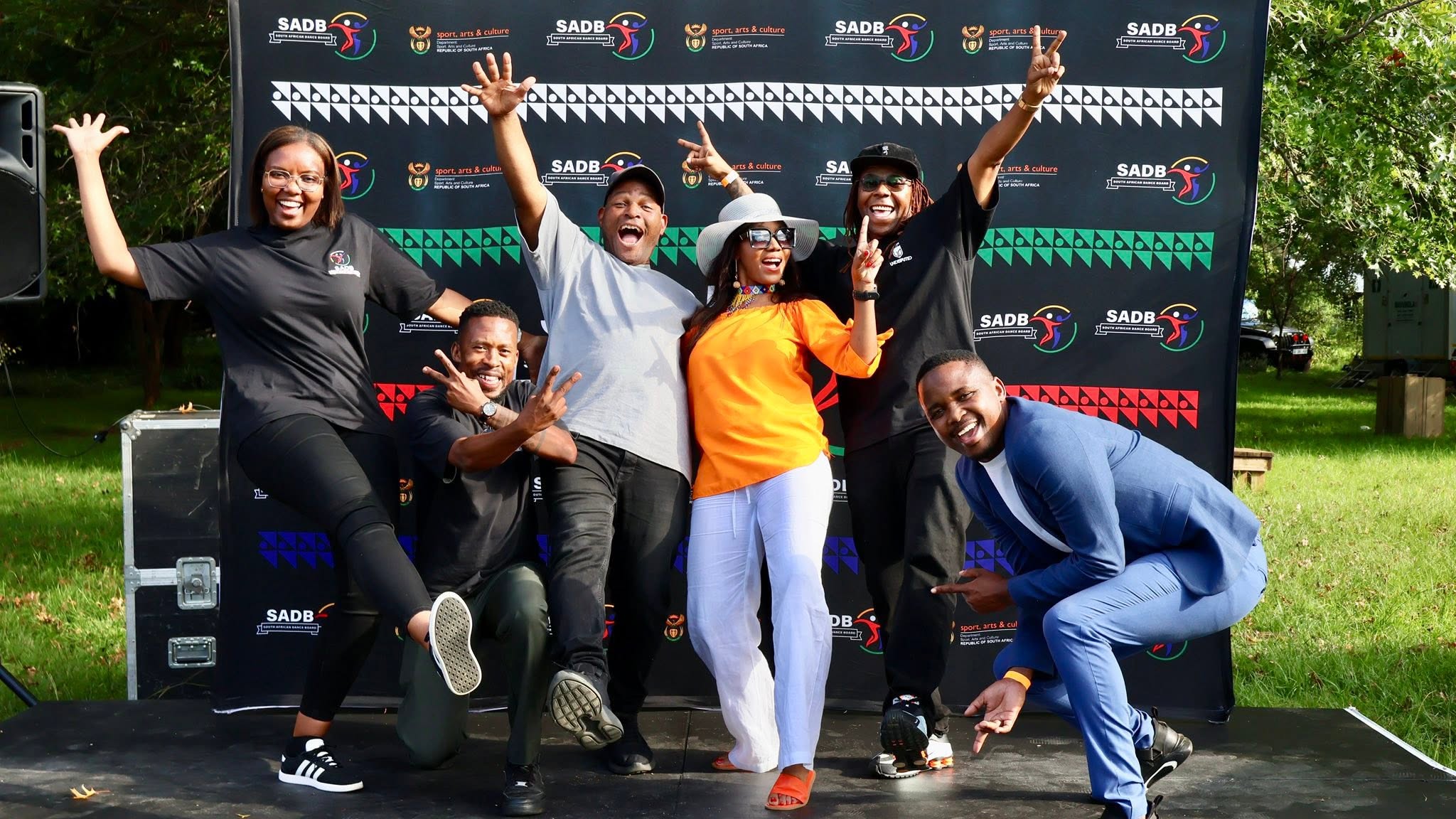 National Showcase
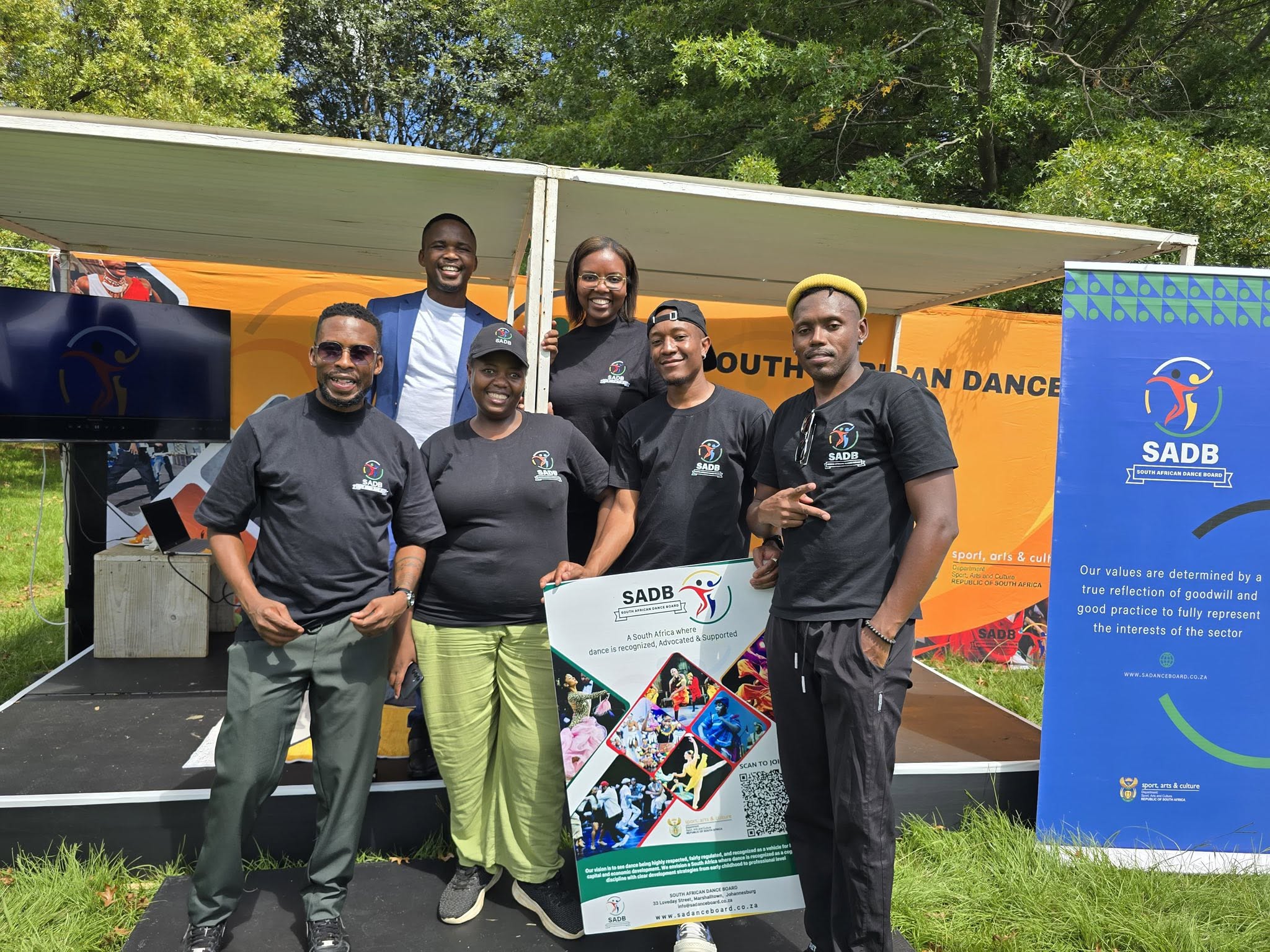 Stakeholder Forum
One board, accountable to the entire sector
Four principles shape how the Board leads — from national policy deliberations to provincial engagement on the ground.
Provincial representation
Every province sits at the table. Board members carry provincial mandates into national decision-making, so policy reflects the realities of dancers from Musina to Makhanda.
Transparency & accountability
Deliberations, elections, and reporting follow good-governance practice — the same transparency and nation-building principles that guide the Board's registered mandate.
Practitioner leadership
This board is the sector. Choreographers, educators, composers, and arts activists — every member has walked the path they now help develop and regulate.
Inclusivity & access
From advocates for dancers with disabilities to champions of rural and township communities, the board exists to widen access to every opportunity the sector offers.
Questions? Let's talk.
Find answers to the most common questions about the South African Dance Board, or send us a direct message.
Frequently asked questions
Browse by keyword or expand an answer to learn more.
The Board comprises nine dedicated professionals drawn from across the country. Lucky Cele serves as Chairperson, supported by Deputy Chairperson Letlhogonolo Nche, Secretary Evelyn Evh'a Nteso, Deputy Secretary Portia Scott, and Treasurer Luyanda Sidiya — alongside four additional board members representing the provinces and the sector's diversity.
The South African Dance Board is an independent body registered as a non-profit organization with a mandate of developing policies and regulations guiding dance as a discipline in South Africa. It represents all provinces and serves as the official mouthpiece for the dance sector.
The Dance Board was formed through a consultative process with the sector at Bosberaad and is set to become operational on April 1, 2025.
Our vision is to see dance recognized as a cognitive discipline with a clear development strategy from early childhood to professional level, highly respected, fairly regulated, and seen as a vehicle for human capital and economic development.
Membership is open to all dance professionals, practitioners, choreographers, and organizations across all provinces of South Africa. Specific membership criteria will be developed as part of the policy development process.
Key programs include provincial consultations, capacity building, advocacy for the sector, policy development, administrative support, introduction of sector opportunities, and fundraising campaigns.
The Board is supported by the Department of Sports, Arts and Culture but also seeks additional funding through membership fees, grants, sponsorships, event ticket sales, and fundraising campaigns from both government and private sector institutions.
No matching questions found. Try different keywords.
Send us a message
Have a question, partnership proposal, or want to join the national registry? Fill in the form and a member of our team will respond within 2 business days.
Connect with SADB. Share your sector voice.
Whether you are an independent practitioner, choreographer, studio director, or municipal representative, join the unified national platform shaping policy, remuneration, and development across South Africa.